What Sets High-Quality Cabinetry Apart: Finish, Construction, Testing & Warranty
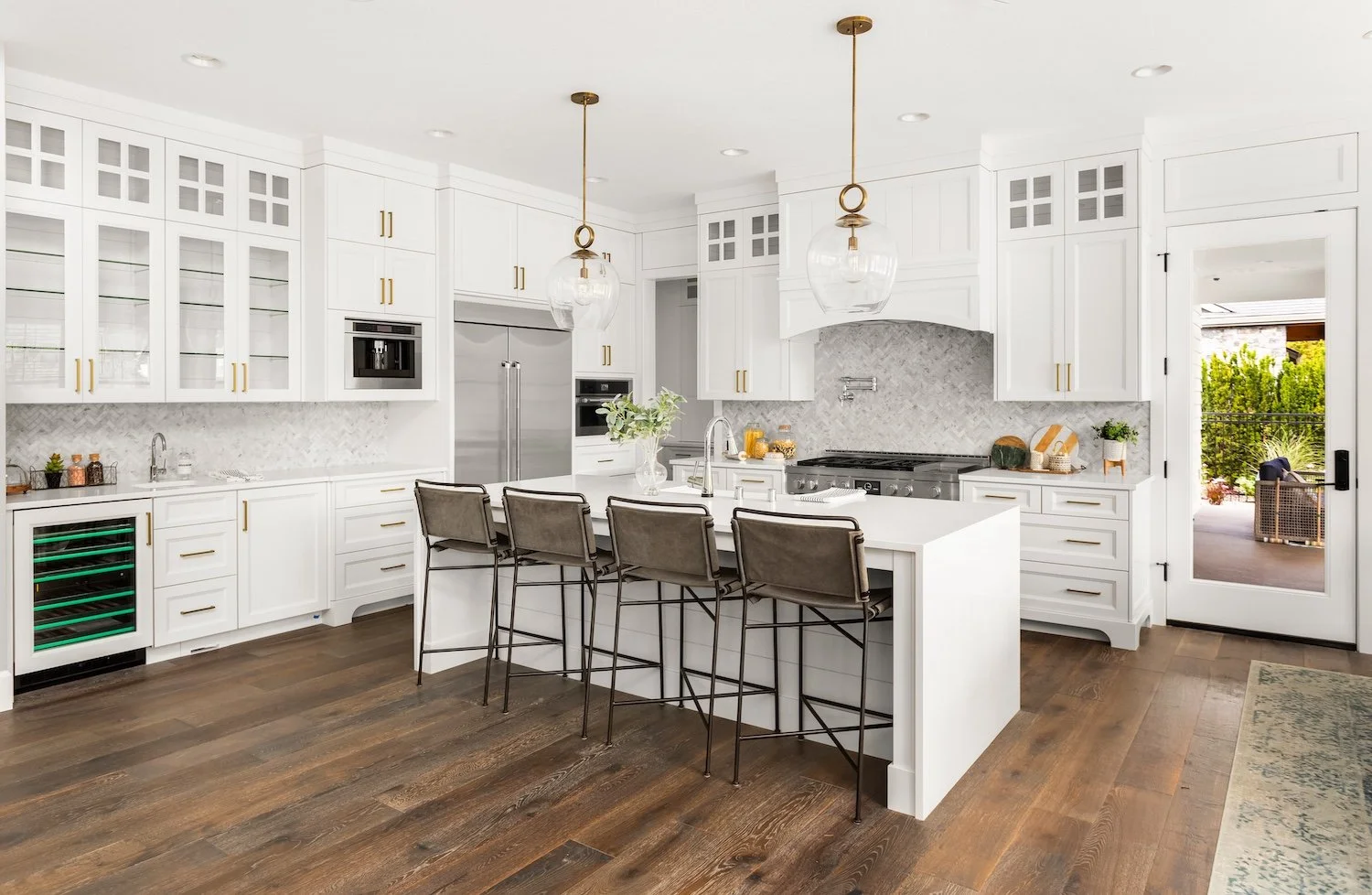
When investing in custom cabinetry, the visible design is only part of the story. What truly determines long-term performance lies beneath the surface: the finish technology, construction methods, testing standards, and warranty protection behind the product.
At Camellia Cabinetry, we believe homeowners deserve clarity around these differences—especially when making a long-term investment in their home.
Here are four key areas that often distinguish nationally manufactured, KCMA-certified cabinetry from smaller-scale production.
1. Paint Finish Technology: Conversion Varnish
Not all painted cabinetry uses the same finishing process.
Many high-quality cabinet lines utilize conversion varnish, a catalyzed, high-performance coating widely regarded in the cabinetry industry for its durability, chemical resistance, and furniture-grade appearance.
Compared to standard painted finishes, conversion varnish typically provides:
A smoother, more refined surface
Increased resistance to moisture and household chemicals
Greater long-term durability
Because conversion varnish is applied in a controlled factory environment, it allows for consistent curing and adhesion. In states like California, certain formulations are not commonly used or available for on-site finishing due to VOC regulations, which is one reason factory-applied finishes often achieve a higher level of consistency and durability.
If you're interested in learning more about how conversion varnish works, this overview provides helpful context: https://www.cabinetdoors.com/blog/what-is-conversion-varnish/
2. Door Construction: Understanding the Frame & Center Panel
Another important distinction involves how cabinet doors are constructed.
Solid wood cabinet doors are intentionally built using separate frame and center panel components. This is not a flaw—it’s a necessary design feature.
Natural wood expands and contracts with changes in temperature and humidity. Allowing the center panel to “float” within the frame prevents stress cracking, warping, or structural failure over time.
Sometimes homeowners notice a visible seam between the frame and the center panel and assume it should be hidden. While paint may temporarily minimize that seam visually, seasonal wood movement will eventually cause the joint line to reappear.
Factory finishing processes are designed to accommodate this natural movement while maintaining long-term finish integrity. Understanding this construction method helps set realistic expectations and ensures long-term durability.
3. KCMA Certification & Performance Testing
Cabinetry quality can also be measured through third-party testing standards.
Cabinets that are KCMA certified have undergone rigorous durability and performance testing designed to simulate years of real-world use. Testing standards include:
Doors and drawers opened and closed 15,000 times
Shelf load weight testing
Finish adhesion and durability evaluations
These tests provide assurance that cabinetry is built to withstand daily use while maintaining structural integrity and finish performance.
For more details on KCMA standards and certification requirements, this resource offers helpful insight: https://kcma.org/insights/cabinets-certified-last-0
4. Warranty Coverage & Long-Term Protection
Warranty coverage is another important consideration when comparing cabinetry options.
While many cabinet manufacturers offer warranties in the range of five to ten years, some cabinet lines provide limited lifetime warranties, offering extended protection against defects in materials and workmanship.
Long-term durability—cabinets that maintain structural integrity and finish quality over many years—is something we prioritize when guiding clients through cabinetry decisions. Warranty coverage often reflects the level of confidence a manufacturer has in their construction methods and materials.
Making an Informed Long-Term Investment
When evaluating cabinetry options, the real differences often come down to:
Finish technology
Door construction methods
Performance testing standards
Warranty coverage
Understanding these factors helps move the conversation beyond surface appearance and toward long-term value.
Our goal is simply to provide clear information so homeowners can make decisions with confidence—knowing their cabinetry is built not just for today, but for the years ahead.
Ready to explore cabinetry built to last? Contact Camellia Cabinetry to schedule a consultation and see the difference quality makes in person.
